free worldwide shipping | ships within 24 hours
Visual Storyteller 2026: 7 Secrets That Make Your Images Unforgettable

A visual storyteller does not just take photos. They create images that speak. They capture moments that linger in the mind. They use light, composition, and emotion to tell stories without words.
This guide reveals the secrets of becoming a visual storyteller. You will learn the mindset, techniques, and habits that separate storytellers from snap-shooters.
What Is a Visual Storyteller?
A visual storyteller uses images to communicate narrative, emotion, and meaning. They are photographers, filmmakers, designers, and artists who understand how to guide the viewer’s eye and heart.
A visual storyteller does not just capture what they see. They capture what they feel.
The best visual storytellers make you stop scrolling. They make you look closer. They make you feel something. That is the power of visual storytelling.
7 Secrets of a Visual Storyteller
1. Start with Emotion
A storyteller knows that emotion is everything. Before lifting the camera, ask yourself: What feeling do I want to create? Joy? Sadness? Mystery? Awe?
How to apply: Connect with your subject. Feel the moment. The camera captures what your heart sees.
2. See the Light
A visual storyteller is obsessed with light. They chase golden hour. They find shadows. They understand how light shapes mood.
How to apply: Study the light everywhere you go. Notice how it falls on faces, buildings, and streets. Light is your paintbrush.
3. Master Composition
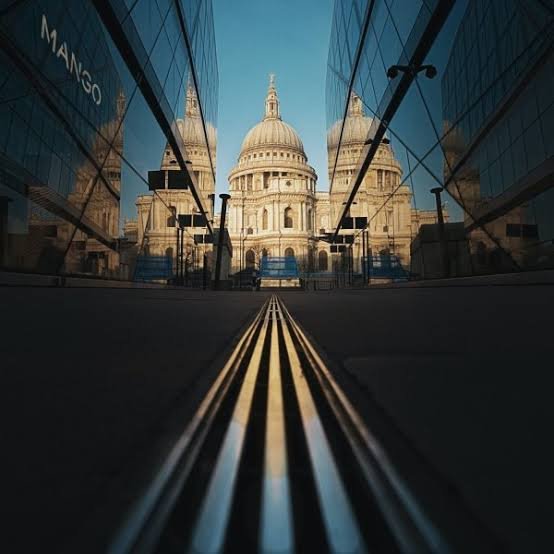
A visual storyteller uses composition to guide the viewer. The rule of thirds. Leading lines. Framing. Negative space. Every element has a purpose.
How to apply: Practice composition daily. Train your eye to see frames within frames. Every photo is a canvas.
4. Find the Decisive Moment
A storyteller waits for the perfect moment. Henri Cartier-Bresson called it the decisive moment. When expression, light, and action align perfectly.
How to apply: Be patient. Watch. Anticipate. Do not rush. The perfect moment is worth the wait.
5. Tell a Story in One Frame
A storyteller knows that every photo should answer questions. Who is this person? What are they doing? Why does this moment matter?
How to apply: Before clicking, ask yourself what story this photo tells. If the answer is unclear, move closer or wait longer.
6. Use Color to Create Mood
A visual storyteller understands color psychology. Warm colors feel intimate and nostalgic. Cool colors feel distant and calm. Desaturated tones feel serious.
How to apply: Pay attention to the colors in your frame. Adjust white balance. Use color grading in post.
7. Edit with Intention
A storyteller edits their images to enhance the story, not to fix mistakes. They know when to add contrast and when to soften highlights.
How to apply: Edit with the story in mind. Ask yourself: Does this edit make the image stronger? Does it increase emotion?

The Visual Storyteller Mindset
Becoming a storyteller is not about gear. It is about seeing the world differently.
Key habits of a visual storyteller:
- They are curious about people and places
- They notice details others miss
- They are patient and observant
- They embrace imperfection and authenticity
- They constantly practice
Visual Storyteller Gear Recommendations
You do not need expensive gear to be a visual storyteller. But the right tools help.
| Tool | Purpose |
|---|---|
| Camera | Any camera you have with you |
| Prime lens | Forces you to think about composition |
| Notebook | Sketch ideas and capture observations |
| Smartphone | Always with you for practice |
| Editing software | Lightroom Classic or Lightroom |
READY TO BECOME A VISUAL STORYTELLER?
Visit our Shop cameras category for photography gear that helps you capture storytelling moments at Camerion Cameras.
Frequently Asked Questions About Visual Storyteller
What is a storyteller?
A storyteller uses images to communicate narrative, emotion, and meaning. They are photographers, filmmakers, and artists who understand how to guide the viewer’s eye and heart.
How do I become a visual storyteller?
Practice daily. Study composition. Chase light. Connect with subjects. Edit with intention. The more you shoot, the better you become.
Is gear important for a visual storyteller?
No. A storyteller creates stories, not technical perfection. Any camera can capture a story. The eye and heart matter more than gear.
What is the best camera for visual storytelling?
The camera you have with you. A storyteller makes the most of any tool. Smartphones, DSLRs, or mirrorless—all can create powerful images.
NEED GEAR TO TELL YOUR STORIES?
Browse our Shop accessories category for memory cards, bags, and lighting at Camerion Cameras .