free worldwide shipping | ships within 24 hours

Sony A6700 vs A6400 2026: The Ultimate APS-C Camera Showdown

The Sony A6700 vs A6400 debate is one of the most common questions among Sony APS-C shooters. Both cameras are excellent, but they serve different users. The A6400 is a proven workhorse with reliable autofocus and a vlogger-friendly flip screen. The A6700 is the flagship APS-C camera with AI-powered autofocus, in-body stabilization, and professional video features.
This Sony A6700 vs A6400 comparison covers everything that matters. Autofocus, image quality, video, handling, and value. By the end, you will know exactly which camera belongs in your hands.
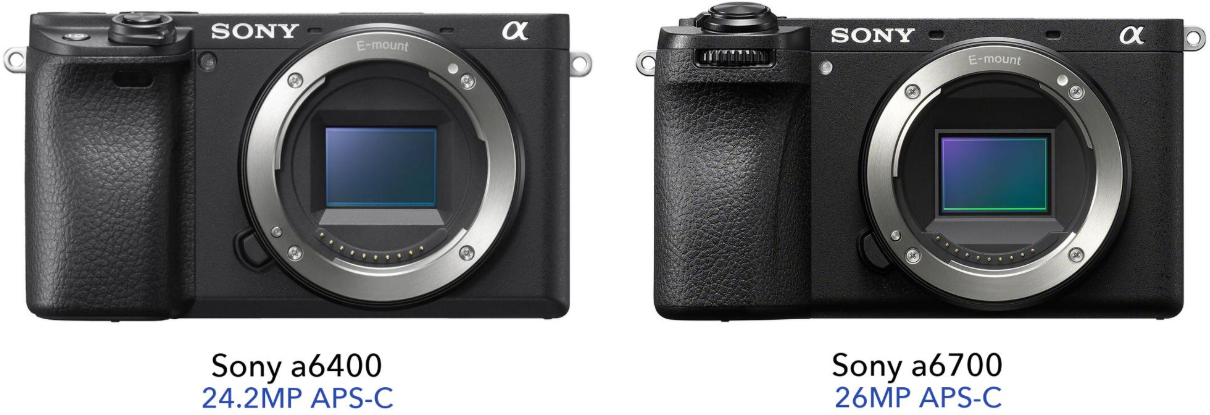
Sony A6700 vs A6400: Quick Specs
| Feature | Sony A6400 | Sony A6700 |
|---|---|---|
| Sensor | 24.2MP APS-C CMOS | 26MP APS-C BSI CMOS |
| Autofocus Points | 425 phase-detect | 759 phase-detect |
| IBIS | No | 5-axis IBIS |
| Video | 4K/30p, 8-bit | 4K/120p, 10-bit 4:2:2 |
| Battery | NP-FW50 (~410 shots) | NP-FZ100 (~570 shots) |
| Screen | 180° tilt-touch | Fully articulating |
| Weight | ~403g | ~493g |
| Built-in Flash | Yes | No |
| Release Year | 2019 | 2023 |
| Price (New) | ~$900 | ~$1,400 |
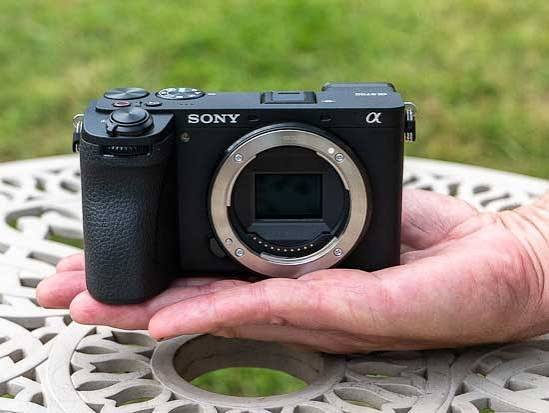
Autofocus: The AI Advantage
The most significant difference in the Sony A6700 vs A6400 comparison is autofocus. The A6400 was already known for excellent AF with 425 phase-detection points and Real-time Eye AF for humans and animals. But the A6700 takes it to another level.
Sony A6400 Autofocus: 425 phase-detection points covering 84% of the sensor. Real-time Eye AF and Real-time Tracking work reliably for people and animals. It focuses in 0.02 seconds.
Sony A6700 Autofocus: 759 phase-detection points covering 93% of the sensor. AI-powered subject recognition detects people, animals, birds, insects, cars, trains, and airplanes. It performs 60 autofocus calculations per second and stays locked on subjects even when they move erratically.
Autofocus Verdict: In the Sony A6700 vs A6400 AF battle, the A6700 wins decisively. The AI-powered subject recognition and additional focus points make it significantly better for wildlife, sports, and fast-moving subjects.
Image Stabilization: Game-Changer
The A6700 has 5-axis in-body image stabilization (IBIS). The A6400 has none.
This is one of the biggest differences in the Sony A6700 vs A6400 comparison. IBIS allows you to shoot handheld at slower shutter speeds without blur. It works with any lens, including third-party lenses without stabilization. If you use lenses like the Sigma 18-50mm f/2.8 (which has no stabilization), the A6700 is a much more capable camera.
Stabilization Verdict: A6700 wins. The lack of IBIS on the A6400 is its biggest weakness in the Sony A6700 vs A6400 debate.
Video: Pro vs Enthusiast
The A6700 is a much more capable video camera than the A6400.
Sony A6400 Video: 4K/30p with 8-bit color. Unlimited recording time. Supports S-Log3 and HLG. No IBIS.
Sony A6700 Video: 4K/120p for slow motion. 10-bit 4:2:2 internal recording for professional color grading. S-Cinetone, S-Log3, and user-custom LUTs. 5-axis IBIS. Headphone and microphone jacks.
Video Verdict: A6700 wins decisively in the Sony A6700 vs A6400 video comparison. The 10-bit color and 4K/120p make it a true hybrid camera for serious videographers.
Screen: Articulating vs Tilting
Sony A6400 Screen: 180° tilt-touchscreen. Perfect for vlogging and selfies.
Sony A6700 Screen: Fully articulating vari-angle screen. Allows shooting from any angle, including front-facing for vlogging. Higher resolution at 1.036M dots vs the A6400’s 921.6K dots.
Screen Verdict: A6700 wins for flexibility. A6400 wins for simplicity. Both are good for vlogging, but the A6700 is more versatile.
Battery Life: Significant Improvement
The A6700 uses the larger NP-FZ100 battery. The A6400 uses the older NP-FW50.
Battery Verdict: A6700 offers roughly 570 shots per charge vs the A6400’s 410 shots. This is a meaningful difference for long shoots.
Build Quality and Ergonomics
The A6700 has a larger, deeper grip that is more comfortable for large hands. The A6400 has a shallower grip. The A6700 is slightly heavier at 493g vs the A6400’s 403g.
Ergonomics Verdict: A6700 wins for handling and comfort.
Price and Value
| Camera | Approximate Price |
|---|---|
| Sony A6400 | ~$900 |
| Sony A6700 | ~$1,400 |
The A6700 is roughly $500 more than the A6400. The price gap is significant, but the upgrades justify it for many users.
Which Camera Should You Buy?
The Sony A6700 vs A6400 choice comes down to your primary use case.
Choose the Sony A6400 if:
- You are on a budget ($500 cheaper)
- You shoot primarily stills and casual video
- You want a lightweight, portable camera
- You vlog and want the 180° flip screen
- You are a beginner or enthusiast
Choose the Sony A6700 if:
- You need 5-axis IBIS
- You shoot 4K/120p slow-motion video
- You need 10-bit color for professional grading
- You want AI-powered subject recognition
- You have larger hands and want a better grip
- You need longer battery life
- You shoot wildlife, sports, or fast-moving subjects
- You want a future-proof investment
Sensor Technology: BSI vs Traditional CMOS
The sensor difference between the Sony A6700 vs A6400 is more significant than the megapixel count suggests. The A6700 features a 26MP backside-illuminated (BSI) CMOS sensor, while the A6400 uses a traditional 24.2MP CMOS sensor. BSI technology moves the wiring layer behind the photodiodes, allowing more light to reach the sensor. This results in better low-light performance, improved dynamic range, and reduced noise at high ISO settings.
For photographers who shoot in challenging lighting conditions, the A6700’s BSI sensor provides a noticeable advantage. When comparing the Sony A6700 vs A6400, the A6700 produces cleaner images at ISO 6400 and above, with more detail in shadows and better highlight retention. The A6400 is still excellent, but the A6700’s sensor represents a significant technological leap.
Processor and Speed: BIONZ X vs BIONZ XR
The Sony A6700 vs A6400 processor comparison shows another generational gap. The A6400 uses the older BIONZ X processor, which was introduced in 2015 and has powered many Sony cameras since the A7 II. While it is still capable, it lacks the processing power needed for advanced features like AI subject recognition and 10-bit video.
The A6700 features the newer BIONZ XR processor, which is roughly eight times more powerful. This extra processing power enables the AI autofocus system, 4K/120p video, and the camera’s exceptional subject tracking. The BIONZ XR also improves noise reduction, color science, and overall camera responsiveness, making the Sony A6700 vs A6400 comparison feel like comparing two different generations of technology.
Low-Light Performance: A Clear Winner
In the Sony A6700 vs A6400 low-light battle, the A6700 has a clear advantage. The combination of the BSI sensor and the BIONZ XR processor gives the A6700 about a one-stop improvement in ISO performance. This means that ISO 6400 on the A6700 looks similar to ISO 3200 on the A6400.
For evening photography, indoor events, or astrophotography, this difference is significant. The Sony A6700 vs A6400 debate often centers on low-light capability because it is a practical, everyday concern for many photographers. If you frequently shoot in dim conditions, the A6700 justifies its higher price with cleaner images and more usable high-ISO shots.
Color Science and JPEG Output
Sony’s color science has improved significantly in recent years. The Sony A6700 vs A6400 color comparison shows noticeable differences, especially when shooting JPEGs. The A6700 produces more natural skin tones, richer greens, and more accurate blues than the A6400.
The A6700 also benefits from the latest Creative Look presets, which allow photographers to apply custom color profiles in-camera. This reduces the need for post-processing and makes the Sony A6700 vs A6400 decision easier for photographers who prefer to share JPEGs straight out of camera.
Continuous Shooting: Action Photography
For sports, wildlife, and action photography, the Sony A6700 vs A6400 burst shooting comparison matters. The A6400 shoots at 11 fps with continuous autofocus, which is still respectable. The A6700 matches this speed but with significantly better subject tracking due to the AI autofocus system.
In real-world use, the Sony A6700 vs A6400 action performance gap is noticeable. The A6700 locks onto subjects faster and tracks them more reliably, resulting in a higher percentage of keepers. For photographers who shoot fast-moving subjects, this reliability is worth the upgrade.
Viewfinder Quality: EVF Comparison
The Sony A6700 vs A6400 viewfinder comparison shows an improvement in resolution and refresh rate. The A6400 has a 2.36-million-dot OLED viewfinder, which is good but not industry-leading. The A6700 features a similar resolution but offers a smoother refresh rate and better brightness, making it more comfortable for extended use.
While the viewfinder difference is not as dramatic as other features, it contributes to the overall shooting experience. The Sony A6700 vs A6400 ergonomics debate often includes the viewfinder because it affects how photographers compose and review their shots.
Build Quality: Weather Resistance
The Sony A6700 vs A6400 build quality comparison reveals another advantage for the newer camera. The A6700 features magnesium alloy construction and weather sealing, making it more durable and resistant to dust and moisture. The A6400 has a polycarbonate body with less robust weather sealing.
For photographers who shoot in challenging environments, the A6700’s improved durability is a significant advantage. The Sony A6700 vs A6400 debate often comes down to reliability, and the A6700 is built to withstand more demanding conditions.
Connectivity and Workflow
The Sony A6700 vs A6400 connectivity comparison shows improvements in file transfer and remote shooting. The A6700 supports USB-C, which offers faster data transfer and charging than the A6400’s micro-USB port. The A6700 also features improved Wi-Fi and Bluetooth for reliable smartphone connectivity.
For professionals who need to transfer files quickly or tether their camera to a computer, the Sony A6700 vs A6400 connectivity difference is important. The A6700’s USB-C port also supports high-speed charging, allowing photographers to power the camera from a portable battery pack during long shoots.
Lens Compatibility and Future-Proofing
When considering the Sony A6700 vs A6400, lens compatibility is an important factor. Both cameras use the Sony E-mount, which has a vast selection of lenses. However, the A6700’s IBIS works with any E-mount lens, including third-party lenses without stabilization.
This means the Sony A6700 vs A6400 lens choice is more flexible with the A6700. Photographers can use compact, affordable lenses like the Sigma 18-50mm f/2.8 and still benefit from image stabilization. The A6400 requires lenses with built-in OSS for stabilization, which limits lens options and increases costs.
Frequently Asked Questions About Sony A6700 vs A6400
Which is better: Sony A6700 or A6400?
The Sony A6700 vs A6400 choice depends on your needs. Choose the A6400 for budget and casual shooting. Choose the A6700 for IBIS, 4K/120p, and AI autofocus.
Does the Sony A6400 have IBIS?
No. The A6400 has no in-body image stabilization. The A6700 has 5-axis IBIS.
Does the Sony A6700 have a built-in flash?
No. The A6700 does not have a built-in flash. The A6400 does.
Is the Sony A6700 worth the upgrade from the A6400?
Yes, if you need IBIS, 4K/120p, or AI autofocus. If you are happy with your A6400, it still takes excellent photos.
What is the battery difference between A6700 and A6400?
The A6700 uses the larger NP-FZ100 battery (~570 shots). The A6400 uses NP-FW50 (~410 shots).
READY TO BUY YOUR SONY A6700 OR A6400?
Click here to visit our Sony ZV creator cameras collection at Camerion Cameras.
NEED ACCESSORIES FOR YOUR CAMERA?
Browse our Shop accessories category for pro tools at Camerion Cameras.
External Links
- Sony A6700 vs A6400 review on Unique Photo
- Sony A6700 vs A6400 comparison on ThePCEnthusiast
- Sony A6700 vs A6400 full specs on Coolblue