free worldwide shipping | ships within 24 hours
Mirrorless Cameras for Beginners: Your Complete 2026 Buying Guide

So you want to buy your first real camera. You have heard about mirrorless cameras for beginners and you are ready to move beyond your smartphone. Smart decision.
This guide covers everything you need to know about mirrorless cameras for beginners. We will explain why mirrorless is the future, which features matter, and which models deserve your money in 2026.
Why Mirrorless Cameras for Beginners Are the Smart Choice
Ten years ago, beginners bought DSLRs. Today, cameras for beginners have taken over. Why? Because mirrorless cameras are smaller, lighter, and show you exactly what your photo will look like before you press the shutter.
When shopping for cameras for beginners, you will notice they lack the mirror found in DSLRs. This makes them more compact. It also makes them faster. And for video creators, cameras for beginners offer superior autofocus and image quality.
What to Look for in Mirrorless Cameras for Beginners
Before spending your money, understand these five features. They separate good mirrorless cameras for beginners from great ones.
1. Sensor Size
APS-C sensors are the sweet spot for mirrorless cameras for beginners. They offer excellent image quality without the high cost of full-frame. Most entry-level cameras for beginners use APS-C sensors. This is good. You get professional-looking photos without professional prices.
2. Autofocus Performance
This matters more than megapixels. Modern mirrorless cameras for beginners include face and eye detection. The camera automatically focuses on eyes. For portraits and vlogging, this is essential. Sony leads here, but Canon and Nikon have caught up.
3. Video Capabilities
Even if you primarily shoot photos, good video matters. Most cameras for beginners now shoot 4K. Some shoot 4K at 60 frames per second. For social media creators, this is non-negotiable. Your first camera should handle both photo and video well.
4. Lens Ecosystem
Mirrorless cameras for beginners are only as good as their available lenses. Sony E-mount has over 70 native lenses. Canon RF mount is growing fast. Nikon Z mount has excellent options. Consider future lens purchases before choosing a system.
5. Portability
The best camera is the one you carry. Mirrorless cameras for beginners are small enough for daily bags. Look for bodies under 500 grams. Pair with compact prime lenses. Your camera should not stay at home because it is too heavy.
Ready to explore mirrorless cameras for beginners in person? Visit our Shop cameras category to see available entry-level models.
The Best Mirrorless Cameras for Beginners in 2026
After testing dozens of cameras for beginners, these five models stand out for different reasons.
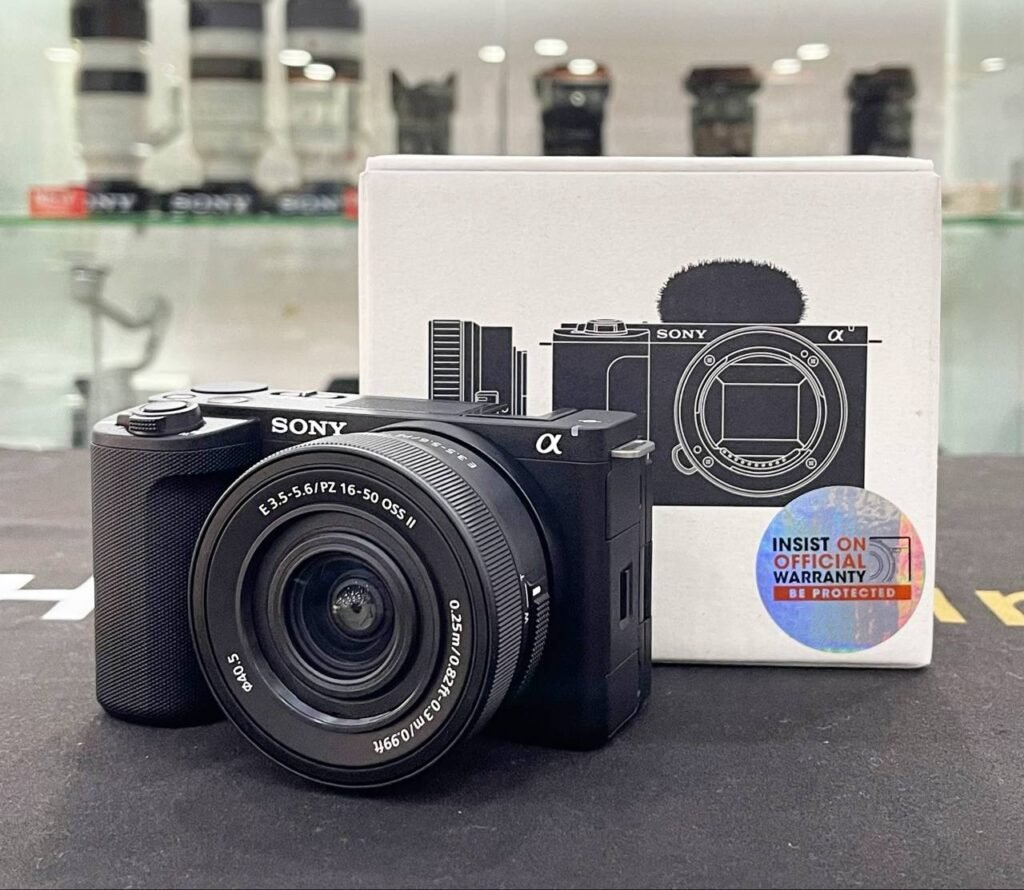
Sony ZV-E10 II – Best for Vloggers
The Sony ZV-E10 II is arguably the best among mirrorless cameras for beginners who prioritize video. Its APS-C sensor delivers excellent image quality. The autofocus is industry-leading. The Product Showcase setting instantly shifts focus to objects held up to the camera.
For cameras for beginners focused on YouTube or TikTok, the ZV-E10 II has no equal. It includes a fully articulating screen. The built-in microphone with windscreen captures clean audio. And the lens ecosystem is massive.
Canon EOS R50 – Best for Photography First
Canon’s R50 represents excellent value among cameras for beginners. The 24.2-megapixel sensor produces beautiful colors straight out of camera. Canon’s menu system is the most intuitive in the industry.
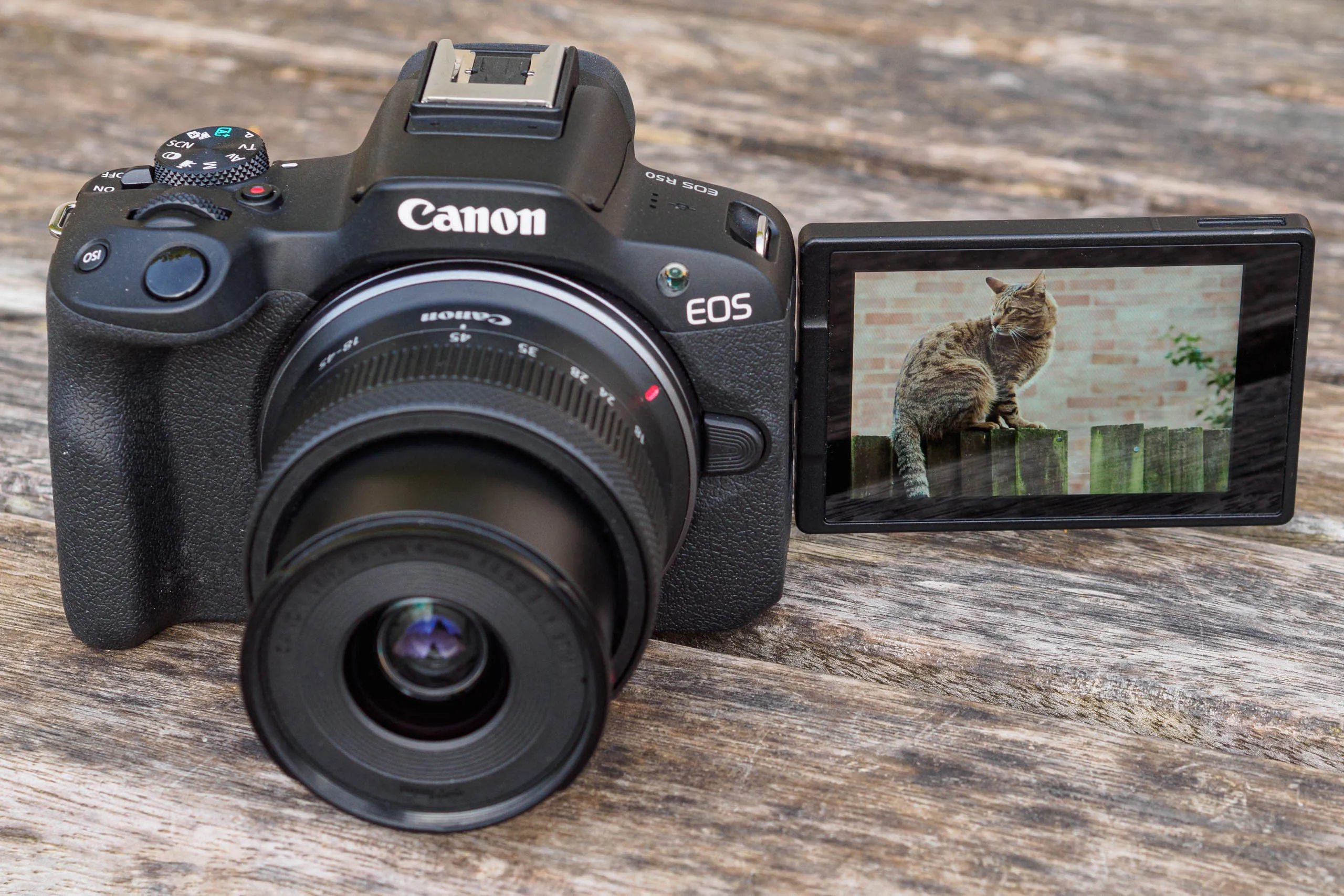
For mirrorless cameras for beginners who want a simple, enjoyable shooting experience, the R50 delivers. The Dual Pixel autofocus is fast and reliable. The body is compact. And Canon’s RF mount has a bright future.
Nikon Z30 – Best for Ergonomic Comfort
Nikon built the Z30 specifically for creators. Among cameras for beginners, the Z30 has the deepest grip. This matters for long shooting sessions. The 20.9-megapixel sensor produces pleasing images. The fully articulating screen works perfectly for self-recording.
cameras for beginners from Nikon offer excellent build quality. The Z30 is weather-sealed. It feels solid in hand. For photographers who prioritize comfort, this is your camera.
Fujifilm X-T30 II – Best for Style and Film Simulations
Fujifilm does things differently. Their mirrorless cameras for beginners include physical dials for shutter speed, ISO, and exposure compensation. The X-T30 II looks like a classic film camera. It shoots like a modern mirrorless.
But the real magic is film simulations. Fujifilm’s cameras for beginners produce beautiful JPEGs without editing. For photographers who hate post-processing, Fujifilm is the answer.
Panasonic Lumix G100 – Best Budget Option
Not everyone has $1,000 to spend. The Panasonic G100 proves that **mirrorless cameras for beginners** exist under $600. The Micro Four Thirds sensor is smaller than APS-C, but image quality still exceeds any smartphone.
For mirrorless cameras for beginners on a tight budget, the G100 offers 4K video, a fully articulating screen, and excellent stabilization. It is not the best in low light, but for daytime shooting, it performs admirably.
Need help choosing between mirrorless cameras for beginners? Browse our Best Sellers section to see what other beginners are buying.
Why Mirrorless Cameras for Beginners Are Better Than Smartphones
Many beginners ask whether they even need a dedicated camera. After all, smartphone cameras have improved dramatically. The latest flagship phones produce stunning images with computational photography, HDR, and portrait mode. But there are still compelling reasons to choose mirrorless cameras for beginners over a smartphone.
Sensor Size Matters
The most significant advantage is sensor size. Even the best smartphones have tiny sensors compared to APS-C or Micro Four Thirds cameras. A larger sensor captures more light, resulting in better low-light performance, greater dynamic range, and more detail in shadows and highlights. The difference is especially noticeable when shooting at dusk, indoors, or in challenging lighting conditions. A mirrorless camera for beginners will produce cleaner images with less noise at higher ISOs.
Real Optical Zoom
Smartphones rely on digital zoom or multiple fixed lenses. True optical zoom gives you flexibility without sacrificing image quality. With a mirrorless camera for beginners, you can choose a zoom lens that covers wide-angle to telephoto, allowing you to frame your shots perfectly without cropping or losing detail.
Interchangeable Lenses
Smartphones lock you into a fixed lens system. A mirrorless camera for beginners gives you access to a vast ecosystem of lenses. You can start with a versatile kit lens, then add a fast prime for portraits, a macro lens for close-ups, or a telephoto lens for wildlife. The lens ecosystem grows with you as your skills improve.
Manual Controls
Smartphones automate everything. While this is convenient, it limits creative control. A mirrorless camera for beginners provides full manual controls over aperture, shutter speed, ISO, and focus. You learn the fundamentals of photography and develop skills that transfer to any camera system.
Better Ergonomics
Holding a smartphone for long periods is uncomfortable. A mirrorless camera for beginners has a dedicated grip, physical buttons, and dials that make shooting more comfortable and efficient. You can access settings quickly without navigating touchscreen menus.
Long-Term Investment
A mirrorless camera for beginners is an investment that holds value. Lenses, in particular, retain their worth and can be used on future camera bodies. Smartphones are replaced every few years. A good camera system can last a decade.
Mirrorless vs DSLR for Beginners: Which Should You Choose?
Many first-time buyers ask whether cameras for beginners are truly better than DSLRs. The answer is yes for most people.
Mirrorless cameras for beginners offer:
- Smaller and lighter bodies
- What-you-see-is-what-you-get electronic viewfinders
- Superior video autofocus
- Faster burst shooting
DSLRs still offer longer battery life. But for cameras for beginners, battery anxiety is overblown. A spare battery solves the problem. And the advantages of mirrorless outweigh the battery difference.
Common Mistakes When Buying Mirrorless Cameras for Beginners
Avoid these errors. They waste money and cause frustration.
Buying Too Much Camera
Mirrorless cameras for beginners should match your skill level. A $3,000 full-frame Sony A7IV is not a beginner camera. You will be overwhelmed. Start with entry-level. Upgrade later.
Ignoring Lens Costs
The body is only half the investment. Mirrorless cameras for beginners require lenses. A fast prime like a 35mm f/1.8 costs $300-$500. Factor this into your budget.
Forgetting About Accessories
Mirrorless cameras for beginners need memory cards, extra batteries, and a bag. These add $100-$200 to your total. Plan accordingly.
Frequently Asked Questions About Mirrorless Cameras for Beginners
Are mirrorless cameras good for beginners?
Yes. cameras for beginners are easier to learn than DSLRs because the electronic viewfinder shows your exposure in real time. You see exactly what you will get before pressing the shutter.
How much should I spend on mirrorless cameras for beginners?
Budget $600-$1,200 for your first body and kit lens. Mirrorless cameras for beginners in this range offer excellent quality without waste. Add $200-$500 for a second prime lens later.
Can mirrorless cameras for beginners shoot professional photos?
Absolutely. The sensors in cameras for beginners are the same as those in semi-professional bodies. A skilled photographer with an entry-level camera outshoots a beginner with a $5,000 camera.
Which brand has the best mirrorless cameras for beginners?
Sony offers the most lens choices. Canon has the easiest menu system. Nikon provides the best ergonomics. Fujifilm delivers the most fun shooting experience. All four make excellent mirrorless cameras for beginners.
Conclusion: Your First Mirrorless Camera Awaits
cameras for beginners have never been better or more affordable. Whether you choose Sony for autofocus, Canon for colors, Nikon for comfort, or Fujifilm for style, you are making a smart investment.
The key is starting. Buy an entry-level body. Add a versatile zoom lens. Shoot every day. Learn the exposure triangle. Experiment with composition. Your skills will grow faster than you expect.
Mirrorless cameras for beginners are not just entry points. They are capable tools that will serve you for years. Many professionals keep their first camera as a backup. The image quality from modern mirrorless cameras for beginners is that good.
Stop overthinking. Pick one. Start shooting. Your creative journey begins now.