free worldwide shipping | ships within 24 hours
Canon G7X vs Sony ZV1 2026: The Ultimate Compact Camera Showdown

The Canon G7X vs Sony ZV1 debate is one of the most common questions among vloggers, content creators, and travel photographers. Both cameras pack a 1-inch sensor into pocketable bodies, but they serve very different purposes. The G7X Mark III is a photography-first compact with a longer zoom range and Canon’s beloved color science. The ZV-1 is a vlogging-first tool with superior autofocus, better audio, and creator-friendly features.
This Canon G7X vs Sony ZV1 comparison covers everything that matters. Autofocus, video, lens, audio, handling, and value. By the end, you will know exactly which camera belongs in your pocket.
Canon G7X vs Sony ZV1: Quick Specs
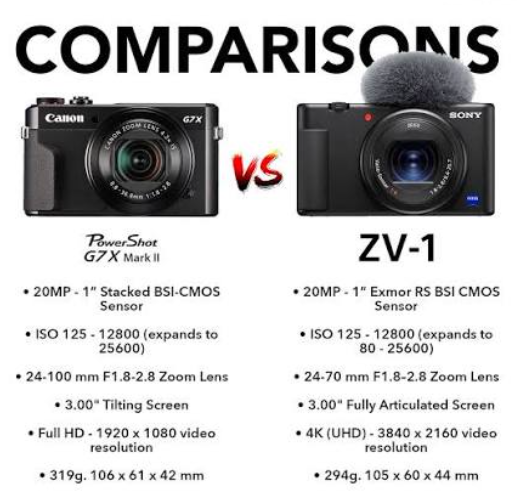
| Feature | Canon G7X Mark III | Sony ZV-1 |
|---|---|---|
| Sensor | 20.1MP 1-inch CMOS | 20.1MP 1-inch Stacked CMOS |
| Lens | 24-100mm f/1.8-2.8 | 24-70mm f/1.8-2.8 |
| Optical Zoom | 4.2x | 2.7x |
| Viewfinder | None | None |
| Screen | Tilting touchscreen | Fully articulating side flip |
| Autofocus | Contrast-detect + Dual Pixel | 315 phase-detect + Real-time Tracking |
| Video | 4K/30p (cropped) | 4K/30p (full width) |
| Mic Input | Yes | Yes |
| Built-in Mic | Decent | 3-capsule directional + wind muff |
| Hot Shoe | No | Yes |
| Weight | 304g | 294g |
| Price | ~$750-$880 | ~$800-$880 |
The Core Difference: Video vs Photography
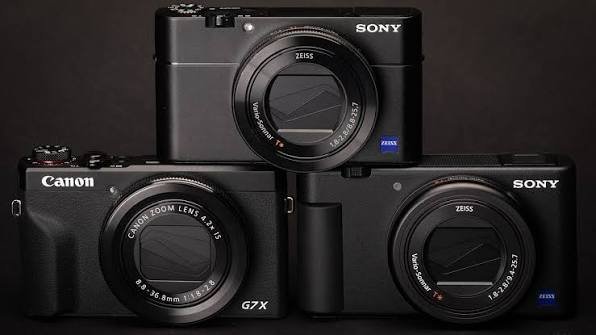
The Canon G7X vs Sony ZV1 decision comes down to one question: Do you prioritize video or photography?
The ZV-1 was designed specifically for vloggers and content creators. The G7X Mark III is a more traditional compact camera with strong video capabilities. Understanding this difference is the key to making the right choice.
The Sony ZV-1 is the first Sony camera to feature a side-opening vari-angle LCD, which is essential for vlogging. It also includes a 3-capsule microphone system and a hot shoe for external audio. The G7X Mark III, by contrast, features a tilt-up screen that is less flexible for vlogging. This fundamental design difference defines the Canon G7X vs Sony ZV1 comparison.
Sensor Technology: Same Size, Different Performance
Both cameras feature a 20.1MP 1-inch sensor, but they are not identical. The sensor in the Canon G7X vs Sony ZV1 debate differs in technology and speed.
Canon G7X Mark III Sensor: Uses a more traditional 1-inch CMOS sensor with Canon’s DIGIC 8 processor. The sensor delivers excellent image quality with Canon’s signature color science, particularly for skin tones. However, the older sensor technology results in slower readout speeds, contributing to the 4K crop and more pronounced rolling shutter in video.
Sony ZV-1 Sensor: Features a 1-inch Stacked CMOS sensor, which is faster and more advanced. The stacked design allows for faster readout speeds, enabling full-width 4K video without a crop. The sensor works with the BIONZ X processor to achieve incredibly fast autofocus and tracking.
Sensor Verdict: In the Canon G7X vs Sony ZV1 sensor comparison, Sony wins for speed and video capability. Canon wins for color science and still image quality.
Autofocus: Sony’s Killer Feature
This is the biggest difference in the Canon G7X vs Sony ZV1 comparison.
Sony ZV-1 Autofocus: The ZV-1 features 315 phase-detect points with Real-time Tracking and Real-time Eye AF for humans and animals. The autofocus system is incredibly sticky and reliable, meaning if you are moving around or showcasing products, it keeps you or your subject in sharp focus almost flawlessly. It performs 60 autofocus calculations per second and can seamlessly switch between focusing on the subject’s face and eye.
The ZV-1’s Product Showcase mode is a game-changer for vloggers. When you hold an object up to the camera, the autofocus instantly shifts to the object and locks on. This eliminates the need for manual focus or post-production adjustments.
Canon G7X Mark III Autofocus: Uses Canon’s Dual Pixel AF, which is very good and fast, especially in good light. However, in trickier situations or with fast-moving subjects, the ZV-1 is just a tad more consistent and dependable. The G7X Mark III lacks a dedicated product showcase mode.
Autofocus Verdict: In the Canon G7X vs Sony ZV1 AF battle, the Sony ZV-1 wins decisively. The Real-time Tracking, Eye AF, and Product Showcase mode make it significantly better for vlogging and moving subjects.
Lens: Canon Wins on Reach, Sony on ND Filter
Canon G7X Mark III Lens: 24-100mm f/1.8-2.8. The 4.2x zoom range is significantly longer than the ZV-1. This means you can capture tighter portraits, distant subjects, and more versatile compositions without changing lenses. The f/1.8-2.8 aperture is bright throughout, performing well in low light.
The 24-100mm range is ideal for travel photography. You can capture wide landscapes at 24mm and tight portraits at 100mm without ever changing the lens. This versatility makes the G7X Mark III a compelling choice for photographers who want one camera that does it all.
Sony ZV-1 Lens: 24-70mm f/1.8-2.8. The shorter 2.7x zoom range is a limitation for distant subjects. However, the lens is sharp and bright, and it includes a built-in ND filter for shooting in bright conditions. The ND filter allows you to shoot at wider apertures in daylight, creating shallower depth of field and smoother video.
The built-in ND filter is a significant advantage for video creators. Without it, you would need to use high shutter speeds or carry external ND filters, which add bulk and complexity. The ZV-1’s ND filter makes outdoor vlogging much easier.
Lens Verdict: In the Canon G7X vs Sony ZV1 lens comparison, Canon wins on reach and versatility. The 24-100mm range is more versatile for photography. Sony wins for the built-in ND filter, which is invaluable for video.
Video Features: ZV-1 Is Built for Vlogging
Sony ZV-1: 4K/30p with full sensor readout and no crop. Features Product Showcase mode, which instantly shifts focus from your face to an object held up to the camera. This is invaluable for product reviews and unboxing. The fully articulating screen flips out to the side for self-recording. Includes a directional 3-capsule microphone with a wind muff. Unlimited recording time. No overheating issues.
The ZV-1 also features Face Priority AE (Auto Exposure), which adjusts exposure to keep your face properly lit even when the background changes. This prevents blown-out skies or underexposed faces, a common problem when vlogging outdoors.
Canon G7X Mark III: 4K/30p with a crop. The crop makes vlogging harder—you lose the wide field of view. Limited to 30 minutes of continuous recording. No Product Showcase mode. The screen tilts up and down but does not flip to the side, meaning you cannot see yourself while recording if you use an external microphone on the hot shoe. Canon G7X vs Sony ZV1
The G7X Mark III does offer 4K time-lapse video, which is a creative feature that the ZV-1 lacks. However, for everyday vlogging, the ZV-1’s features are more practical.
Video Verdict: The ZV-1 wins decisively in the Canon G7X vs Sony ZV1 video comparison. Its creator-focused features make it a purpose-built vlogging tool.
Audio: ZV-1 Delivers Out of the Box
Sony ZV-1: Three-capsule directional microphone with included wind muff. You can get really decent audio straight away, even outdoors, without needing an external mic right off the bat. This is a huge plus for beginners. The microphone is positioned to pick up sound from in front of the camera, reducing background noise. Canon G7X vs Sony ZV1
The included wind muff is a small but significant advantage. It attaches to the hot shoe and dramatically reduces wind noise during outdoor recordings. Without it, you would need to invest in an external microphone or deal with unusable audio.
Canon G7X Mark III: Decent built-in microphone, but it is more susceptible to background noise. You will likely want to invest in an external mic much sooner if audio quality is a priority. The camera has a microphone input, which is excellent, but the built-in solution is not as good as the ZV-1’s. Canon G7X vs Sony ZV1
Audio Verdict: ZV-1 wins. The built-in microphone is superior, and the included wind muff saves you money and hassle. This is a significant advantage in the Canon G7X vs Sony ZV1 comparison for vloggers.
Screen: Sony Side Flip vs Canon Tilt
Sony ZV-1: Fully articulating side-flip screen. This is superior for vlogging because it does not block accessories mounted on the hot shoe. The side flip also allows you to see yourself while recording. The screen measures 3.0 inches and features touch control for focus and settings.
The side-flip design is essential for vloggers who use external microphones or lights. With a tilt-up screen, the viewfinder is blocked when you mount accessories. The ZV-1’s side flip solves this problem elegantly. Canon G7X vs Sony ZV1
Canon G7X Mark III: Tilting screen (up and down). This is simpler and works well for casual vlogging, but it is less versatile than the Sony’s side flip. If you mount an external microphone on the hot shoe, the screen becomes partially blocked.
Screen Verdict: ZV-1 wins for vlogging versatility. The side-flip screen is a game-changer for content creators.
Price and Value
| Camera | Approximate Price |
|---|---|
| Canon G7X Mark III | ~$750-$880 |
| Sony ZV-1 | ~$800-$880 |
Both cameras are similarly priced, with the ZV-1 often slightly more expensive. The used market offers significant savings for both cameras.
When considering the Canon G7X vs Sony ZV1 price difference, it is important to consider the accessories you will need. With the ZV-1, you get better built-in audio and a side-flip screen, which means you may not need to buy external accessories immediately. With the G7X Mark III, you will likely need to invest in an external microphone and a hot shoe extension to avoid blocking the screen. Canon G7X vs Sony ZV1
Which Camera Should You Buy?
The Canon G7X vs Sony ZV1 choice comes down to your primary use case.
Choose the Sony ZV-1 if:
- Vlogging and video content creation is your main focus
- You need superior autofocus for moving subjects
- You want better built-in audio
- You need Product Showcase mode for reviews
- You prefer a fully articulating screen
- You want unlimited recording time
- You want a built-in ND filter for outdoor shooting
Choose the Canon G7X Mark III if:
- You prioritize photography over video
- You need the 24-100mm zoom range
- You prefer Canon’s color science and skin tones
- You want a simpler, more traditional camera interface
- You do not need Product Showcase mode
- You prefer touchscreen menus over physical controls
Real-World User Experiences
Vlogger Review: Sony ZV-1
One vlogger noted, “This is the best camera for vlogging I have ever used. The side flip screen allows you to see everything, including the external mic. The video quality is incredible, and the autofocus is so sticky you can literally move your hand in front of your face, and it instantly locks back onto your eye.”
Another creator said, “The ZV-1’s microphone is genuinely usable. I have been able to produce broadcast-quality audio without any external mic.” Canon G7X vs Sony ZV1
Photographer Review: Canon G7X Mark III
A photographer shared, “The Canon G7X Mark III is my favorite camera for travel. The 24-100mm lens is so versatile. I can shoot landscapes, street scenes, and close-ups without changing lenses. The image quality is excellent, and the colors are beautiful.”
Another user noted, “I prefer the G7X Mark III for photography because of the zoom range and Canon’s color science. Skin tones look natural and pleasing.”
Frequently Asked Questions About Canon G7X vs Sony ZV1
Which is better: Canon G7X or Sony ZV1?
The Canon G7X vs Sony ZV1 choice depends on your needs. Choose the ZV-1 for vlogging and superior autofocus. Choose the G7X Mark III for photography and longer zoom range. Canon G7X vs Sony ZV1
Is the Canon G7X Mark III good for vlogging?
Yes, but the Sony ZV-1 is better. The G7X Mark III has a 4K crop, limited recording time, and weaker autofocus for video.
Does the Sony ZV-1 have a viewfinder?
No. Both the ZV-1 and G7X Mark III lack a viewfinder.
Which camera has better autofocus: Canon G7X or Sony ZV1?
The Sony ZV-1 has significantly better autofocus with Real-time Tracking and Eye AF.
What is the zoom difference between Canon G7X and Sony ZV1?
The Canon G7X Mark III has 24-100mm (4.2x zoom). The Sony ZV-1 has 24-70mm (2.7x zoom).
Which camera has better audio: Canon G7X or Sony ZV1?
The Sony ZV-1 has a superior 3-capsule directional microphone with an included wind muff.
What is the price difference between Canon G7X and Sony ZV1?
The Canon G7X Mark III costs $750-$880. The Sony ZV-1 costs $800-$880. They are similarly priced.
Does the Sony ZV-1 have a built-in ND filter?
Yes. The ZV-1 has a built-in 3-stop ND filter, which is excellent for outdoor shooting.
READY TO BUY YOUR CANON G7X OR SONY ZV1?
Click here to visit our Shop compact / vlog cameras category for both models at Camerion Cameras.
NEED ACCESSORIES FOR YOUR CAMERA?
Browse our Shop accessories category for pro tools at Camerion Cameras.
External Links
- Sony ZV-1 vs Canon G7X Mark III comparison on DPReview
- Canon G7X Mark III vs Sony ZV-1 detailed comparison on B&H
- Sony ZV-1 review on Amateur Photographer