free worldwide shipping | ships within 24 hours
Camera Cleaning Kit: Your Complete 2026 Buying Guide

Your camera lens is the eye of your gear. A dirty lens destroys image quality instantly. But buying a cleaning kit feels overwhelming. Amazon shows 500 options. Prices range from $10 to $100. Some include 47 pieces. Others include only three.
This guide cuts through the confusion. You will learn exactly what belongs in a cleaning kit, what is useless, and which products actually protect your gear.
Why a Quality Camera Cleaning Kit Matters
Every photographer eventually faces dust, smudges, and dirt. A proper camera cleaning kit removes these without scratching glass. Using a t-shirt or paper towel destroys your lens coating. One wrong wipe creates permanent micro-scratches.
A $20 camera cleaning kit protects a $1,000 lens. The math is simple. Do not risk expensive glass with improper cleaning methods.
Essential Components of a Camera Cleaning Kit
Not all camera cleaning kit products are equal. Some tools are essential. Others are garbage. Here is what actually matters.
1. Air Blower (Rocket Blower)
This is the most important tool in any camera cleaning kit. A rubber air blower blows dust off lenses and sensors without touching the glass. Never use canned air. Canned air propellants can damage lens coatings and sensor assemblies.
A good air blower costs $10-$25. It belongs in every cleaning kit. Use it before every cleaning session to remove loose particles. Skipping this step causes scratches when you wipe.
2. Lens Brush
A soft retractable brush removes dust that the blower misses. Quality camera cleaning kit brushes use camel hair or synthetic fibers. Never use a brush that touched anything but lenses.
The brush should be retractable to protect bristles when stored. Cheap camera cleaning kit brushes shed bristles. Those bristles become debris. Spend $8-$15 on a quality brush.
3. Microfiber Cloths
Not all microfiber cloths belong in a camera cleaning kit. Many cheap cloths scratch glass. Quality cloths have high GSM (grams per square meter) and smooth edges. Avoid cloths with tags or seams that can scratch.
A proper camera cleaning kit includes 2-3 dedicated microfiber cloths. Wash them separately. No fabric softener. Replace every 6 months. Cost: $5-$15 for quality cloths.
4. Lens Cleaning Solution
Lens cleaning solution removes oil, fingerprints, and smudges. A complete cleaning kit includes alcohol-free solution. Alcohol can damage lens coatings.
Apply solution to the cloth, not directly to the lens. One drop is enough. Quality cleaning kit solution costs $8-$20 and lasts months.
5. Lens Cleaning Wipes
Pre-moistened wipes are convenient for travel. A portable camera cleaning kit should include 10-20 individually wrapped wipes. Zeiss and Nikon make reliable options.
However, wipes should not replace a full camera cleaning kit with a blower and cloths. Wipes are for emergencies, not daily cleaning. Cost: $10-$15 for 30-50 wipes.
6. Sensor Swabs (For Advanced Users)
Sensor cleaning is not for beginners. But advanced photographers need sensor swabs in their camera cleaning kit. Dust on the sensor appears as dark spots in every photo.
Sensor swabs come in specific sizes (APS-C, full-frame). Match the swab size to your camera. A sensor cleaning camera cleaning kit includes swabs and solution. Cost: $30-$50 for 4-6 swabs.
What NOT to Buy in a Camera Cleaning Kit
Many camera cleaning kit products are useless or dangerous. Avoid these:
Lens Pens
Lens pens seem convenient. They are not. The carbon compound eventually hardens and scratches. The cap collects debris. No professional cleaning kit includes a lens pen.
Canned Air
Never put canned air in your camera cleaning kit. The propellant can spray liquid onto your lens or sensor. The force can damage internal mechanisms. Use a rubber blower instead.
Paper Towels or Tissues
Even high-quality tissues scratch lens coatings. Paper towels are worse. A proper camera cleaning kit uses only microfiber cloths designed for optics.
Gel Sticks for Sensors
Gel sticks promise easy sensor cleaning. They often leave residue. A single bad gel stick ruins your sensor. Stick to wet cleaning with proper swabs.
Best Camera Cleaning Kit Options for 2026
Based on real testing, these camera cleaning kit options deliver reliable results.
Best Overall Camera Cleaning Kit
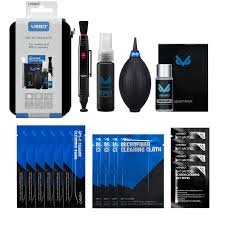
VSGO Hurricane Blower + Kit
VSGO makes professional-grade cleaning kit products. The Hurricane blower is powerful. The microfiber cloths are premium. The kit includes everything essential without useless filler.
Price: $30-$40
Best Budget Camera Cleaning Kit
Altura Photo Professional Cleaning Kit
This camera cleaning kit includes the essentials: blower, brush, cloths, solution, and wipes. The quality is acceptable for beginners. Upgrade the blower later.
Price: $15-$20
Best Portable Camera Cleaning Kit
Zeiss Lens Wipes + Mini Blower
For travel, combine Zeiss individually wrapped wipes with a mini air blower. This compact cleaning kit fits in any camera bag. The wipes are trusted by professionals worldwide.
Price: $15-$25
Best Professional Camera Cleaning Kit
VisibleDust Arctic Butterfly + Sensor Swabs
Professional photographers invest in specialized camera cleaning kit tools. The Arctic Butterfly uses spinning bristles to create static charge, attracting dust. Combined with sensor swabs, this is the ultimate cleaning kit.
Price: $80-$120
Ready to buy a complete cleaning kit? Visit our Shop accessories category for professional cleaning kits and tools.
How to Use Your Camera Cleaning Kit Properly
A camera cleaning kit only works if you use it correctly. Follow this 4-step process.
Step 1: Blow First
Before anything else, use the air blower from your cleaning kit. Hold the camera facing down. Blow air across the lens surface at an angle. This removes loose dust that could scratch during wiping.
Step 2: Brush Gently
Use the retractable brush in your camera cleaning kit to remove stubborn dust. Light strokes only. Never press hard. Extend the brush, sweep once, retract immediately.
Step 3: Apply Solution to Cloth
Put one drop of cleaning solution onto a clean microfiber cloth from your cleaning kit. Never apply solution directly to the lens. Fluid can seep into the lens barrel.
Step 4: Wipe in Circular Motion
Using the damp part of the cloth, wipe the lens in gentle circles. Follow with the dry part of the cloth. Inspect under light. Repeat if needed.
Camera Cleaning Kit for Different Gear Types
Your camera cleaning kit needs vary by equipment.
For Lenses
Lenses need the full cleaning kit: blower, brush, solution, microfiber cloths. Front and rear elements both need protection. Rear element scratches are more damaging because they appear in every photo.
For Camera Body
The camera body needs a different cleaning kit approach. Use a dry brush and blower for the exterior. Never spray solution near buttons or ports. A slightly damp cloth is safe for the grip.
For Sensor
Sensor cleaning requires a specialized cleaning kit with swabs and sensor solution. Only attempt this if you are confident. Otherwise, pay a professional $50-$100 for sensor cleaning.
For Filters and Glasses
Filters are less fragile than lens coatings. But your camera cleaning kit still needs dedicated cloths. Never use a filter cloth on a lens. Cross-contamination transfers debris.
How Often to Use Your Camera Cleaning Kit
Frequency guide:
| Situation | Clean With Cleaning Kit |
|---|---|
| After shooting in dust or sand | Immediately (blower + brush) |
| Before every important shoot | Quick blower |
| Visible smudges or fingerprints | Full wet clean |
| Sensor spots in photos | Sensor clean (as needed) |
| Monthly maintenance | Blower + inspection |
Over-cleaning damages lenses. Only use your cleaning kit when actually needed. A few dust specks do not affect image quality. Compulsive cleaning causes micro-scratches.
https://camerioncameras.com/product-category/accessories
Common Camera Cleaning Kit Mistakes
Using Too Much Solution
One drop is enough. Excess solution leaves residue. A quality cleaning kit solution should evaporate cleanly. But excess fluid can seep into lens elements.
Reusing Dirty Cloths
Once a cloth touches a surface, it retains debris. Your cleaning kit should include multiple cloths. Designate cloths for lenses only. Never use a cloth that fell on the floor.
Cleaning Without Blowing First
Skipping the blower is the biggest mistake. Dust becomes sandpaper during wiping. Always blow first. Your cleaning kit blower is your first line of defense.
Storing Kit Improperly
A camera cleaning kit needs clean storage. Dirty kit components become contamination sources. Keep cloths in sealed bags. Clean the blower nozzle regularly.
Need professional-grade cleaning tools for your cleaning kit? Browse our Shop accessories category for premium lens and sensor cleaning supplies.
Frequently Asked Questions About Camera Cleaning Kits
Can I use eyeglass cleaner in my camera cleaning kit?
No. Eyeglass cleaner often contains alcohol or ammonia. These damage lens coatings. Use only solution designed for camera lenses in your cleaning kit.
How often should I replace my camera cleaning kit microfiber cloths?
Replace every 3-6 months depending on use. When cloths feel rough or show visible debris, discard them. A fresh cleaning kit cloth costs less than a new lens.
Is a $10 camera cleaning kit safe?
Some $10 kits are safe for basic use. But the blower is usually weak. The cloths may scratch. A $20-$30 cleaning kit offers significantly better quality.
Can I clean my camera sensor myself with a camera cleaning kit?
Yes, but only with specialized sensor swabs. A basic cleaning kit does not include sensor tools. If you attempt sensor cleaning, watch multiple tutorials first. One mistake damages your camera permanently.
Conclusion: Build Your Perfect Camera Cleaning Kit
A quality camera cleaning kit protects your investment. Start with a blower, microfiber cloths, and solution. Add brush and wipes for travel. Upgrade to sensor swabs when you gain experience.
The best cleaning kit is the one you actually use. A $100 kit sitting in a drawer protects nothing. A $25 kit used weekly extends lens life for years.
Stop using your shirt. Stop blowing with your mouth. Buy a proper cleaning kit today. Your lenses will thank you with sharper images, better contrast, and longer service life.
https://camerioncameras.com/product-category/cameras